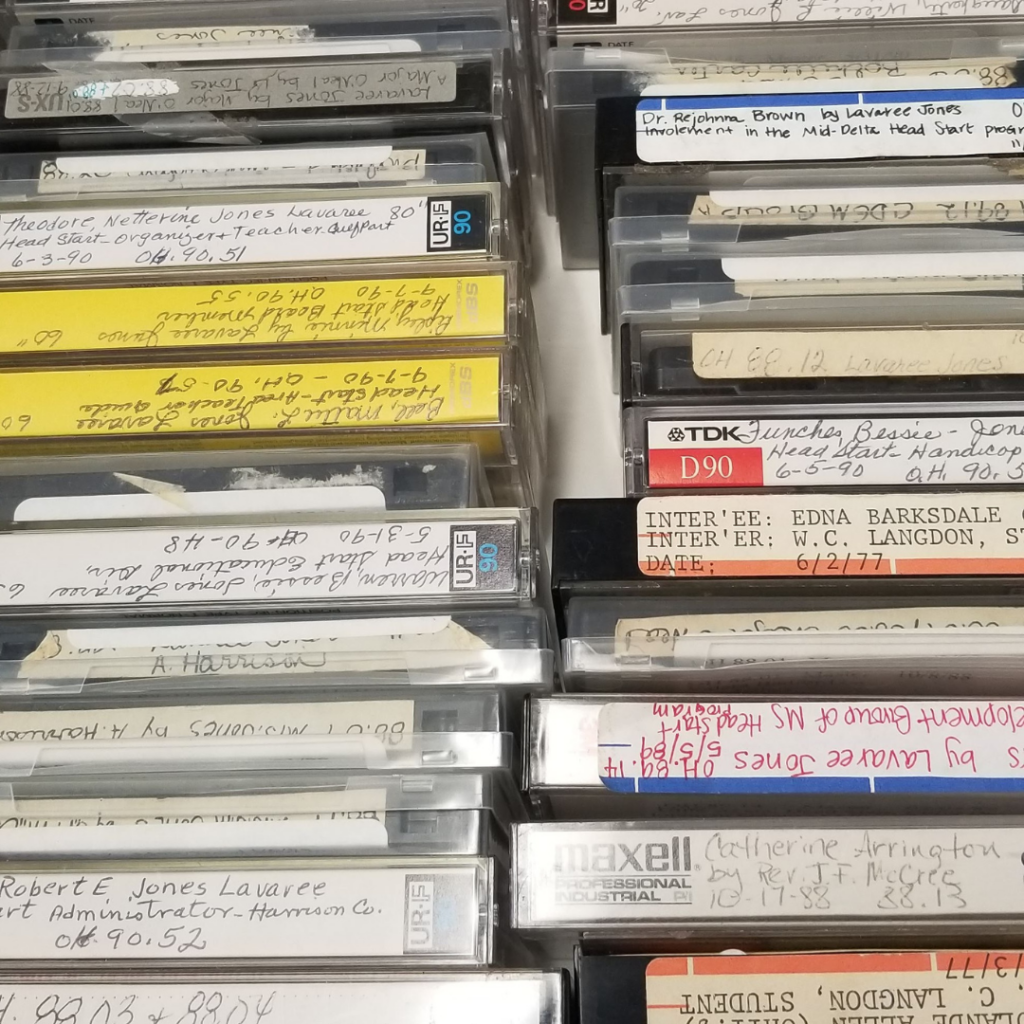
The short answer
Photograph the object, ask someone who remembers it to describe its history, and save both in a clearly named folder with a short written record. Identify who supplied each detail, distinguish memories from supporting evidence, and write “unknown” where information is missing. Museum object-labeling and personal-archiving guidance provide useful models for this approach. (learninglab.si.edu)
1. Start with one object and one question
Choose an object whose story you want to preserve: a mixing bowl, a watch, a handmade blanket or a tool. Start with a manageable question: “What do we know about this particular object, and how do we know it?”
A Smithsonian family-history activity suggests photographing a treasured object and creating a label with its name, materials, maker, origin, date and significance. You can adapt that model without trying to produce a museum catalog. Leave unanswered fields open rather than filling them with guesses. (learninglab.si.edu)
Use a notebook or a document you already know how to edit. For a first pass, write:
- What the object is.
- Where it is now.
- Who might remember using it.
- What you want to ask.
- What remains unknown.
Keep your purpose modest: preserve what is available now, then leave room for later discoveries. You do not need to resolve every date before recording a useful memory.
If the object is unavailable, begin with a photograph and note that you have not examined it. If no relative can answer questions, record your own recollections under your name rather than presenting them as a shared family account.
2. Interview a relative without steering the story
Before recording, explain what you are making and who will see it. Ask permission to record, and discuss whether the account may be shared with relatives, posted publicly or kept private. The Oral History Association recommends documenting consent and offering narrators an opportunity to review their interviews before release. (oralhistory.org)
For a private family project, you might ask:
“May I record your memories about this object and save them with its photographs? Who would you be comfortable sharing them with?”
Note the answer. Do not assume permission to record also means permission to publish.
Choose a quiet place, test the recording and agree on a comfortable session length. At the beginning, record the participants’ names, the full date and the subject. Ask open-ended questions, listen and follow up for clarification—practices recommended by the Oral History Association. (oralhistory.org)
Use this suggested interview guide:
- What is your earliest memory of this object?
- Who used it, and what did they use it for?
- Where was it usually kept?
- Do you remember how it entered the household?
- Was it connected with an everyday routine or special occasion?
- Do you remember it being repaired, altered or passed to someone else?
- Which details did you witness yourself, and which were told to you?
- Are there photographs, letters or other records we should look for?
- What would you want someone inheriting it to understand?
Avoid putting the desired answer into the question. Instead of “Was this a wedding present?” ask “Do you know how it was acquired?”
Respect a person’s choice not to answer or share a particular story. (oralhistory.org)
Afterward, read back your summary and ask whether it reflects what they meant.
3. Separate observations, documents and recollections
Treat the object, supporting records and interviews as different kinds of evidence. Smithsonian Affiliations’ object-research guidance emphasizes asking questions and weighing information rather than assuming an artifact has only one straightforward story. (affiliations.si.edu)
A practical way to do this at home is to label each statement:
| Label | What to record |
|---|---|
| Observed | Something you can examine now: an inscription, color, shape or visible repair. |
| Document-supported | A detail supported by an identified receipt, letter, photograph or other record. |
| Recollected | Someone’s memory, attributed to that person and dated. |
| Interpretation | A possible explanation that has not been established. |
| Unknown | Information not yet available or not resolved. |
This is a suggested household system, not a formal authentication method.
Keep claims narrow. “The underside bears a maker’s name” is an observation. “It was purchased in that maker’s home city” is a separate claim requiring support.
Likewise, distinguish when an object was made, when someone acquired it and when someone remembers using it. Do not collapse these into one date.
If accounts differ, preserve both. Write, for example, “[Relative A] remembers it arriving as a gift; [Relative B] remembers it already being in the kitchen. Acquisition remains unresolved.” That records the disagreement without choosing a winner.
When evidence emerges later, add its source and explain what changed. Keep the earlier attributed recollection rather than silently rewriting it as fact.
4. Take photographs that identify this exact object
The International Council of Museums’ Object ID framework pairs photographs with descriptions of materials, measurements, markings and distinguishing features. Its purpose includes identifying objects after loss or theft; those categories also offer a useful starting point for a household record. (icom.museum)
Use the following suggested shot list:
- Whole object: a clear view showing its overall shape.
- Other views: back, sides, underside or interior, where safely accessible.
- Markings: maker’s marks, inscriptions, labels and handwritten notes.
- Distinctive details: decoration, wear, chips or visible repairs.
- Related evidence: accompanying packaging, receipts or letters.
- Context: an optional photograph showing where it is kept or how it is used.
For a bowl, prioritize the whole bowl, its interior, its base and any marking. Include a ruler beside it if useful, and write down the measurement and unit separately.
As practical checks, use a plain background and inspect each image before putting the object away. Can you read the mark? Is the entire object visible? Does glare hide a detail?
If turning or moving it seems unsafe, photograph it where it rests and note which views are missing. Documentation should not become a reason to force access.
Keep the highest-quality original photographs, and make separate edited copies if needed. The Library of Congress recommends retaining the best-quality version and giving selected images descriptive filenames. (digitalpreservation.gov)
5. Create a simple record, with unknowns left visible
Build a record that connects the object’s description with its story. Museum documentation models include physical identification and significance; your home version can also name the person supplying each memory. (learninglab.si.edu)
Use these fields:
- Record ID and object name
- Description, materials and distinguishing features
- Measurements and units, if taken
- Markings, copied exactly; identify unreadable portions
- Maker and manufacturing date, with evidence or “unknown”
- Acquisition and transfer history, with sources
- Family recollections, with names and interview dates
- Why it matters, attributed to the person expressing that meaning
- Related photographs, documents and recordings
- Current location and sharing restrictions
- Prepared by, date and later updates
Keep the identification concise. Put longer stories underneath it.
Worked example: a family mixing bowl
The following is a fill-in demonstration, not a documented heirloom. Bracketed entries must be replaced with actual observations or attributed information.
| Field | Example entry |
|---|---|
| Record ID | OBJ-001 — a suggested household identifier |
| Object name | Family mixing bowl |
| Description | [Observed color, shape and decoration] |
| Material | Unknown until identified; record appearance separately |
| Measurements | Not yet measured |
| Markings | [Exact transcription, or “no mark found on inspected surfaces”] |
| Maker | Unknown |
| Manufacturing date | Unknown |
| Acquisition | Unknown |
| Family recollection | [Relative’s name] remembers [specific use or event]; interview dated [full date] |
| Basis of recollection | [Personally witnessed / heard from someone else / unclear] |
| Supporting documents | None located yet |
| Significance | [Relative’s explanation of why the bowl matters] |
| Related files | [Actual filenames once saved] |
| Current location | [Private household location] |
| Next question | Can a dated family photograph help establish when it was in use? |
Notice what the record does not claim: an owner, maker, purchase date, measurement or verified history that has not been established.
If a relative cannot remember a year, keep that uncertainty in the summary. “Remembers using it during childhood; calendar dates not established” is more useful than an unsupported precise date.
6. Keep the story attached without marking the heirloom
For a beginner’s project, use the same record ID on the written record, digital folder and a separate storage label. Label the object’s box or shelf location rather than applying an adhesive label to the heirloom.
For associated photographs, the Library of Congress recommends marking housing materials instead of photographs whenever possible. It advises against adhesive tape, sticky notes and glue on photographs; if marking a print is unavoidable, it recommends minimal writing on the reverse near an edge with soft graphite pencil. (loc.gov)
If you buy photograph enclosures, check for photo-safe specifications, including the Photographic Activity Test, rather than relying only on an “archival” description. (loc.gov)
A suggested folder arrangement is:
OBJ-001-family-mixing-bowl/
  object-record.txt
  photographs/
  interview/
  supporting-documents/
  sharing-permissions.txt
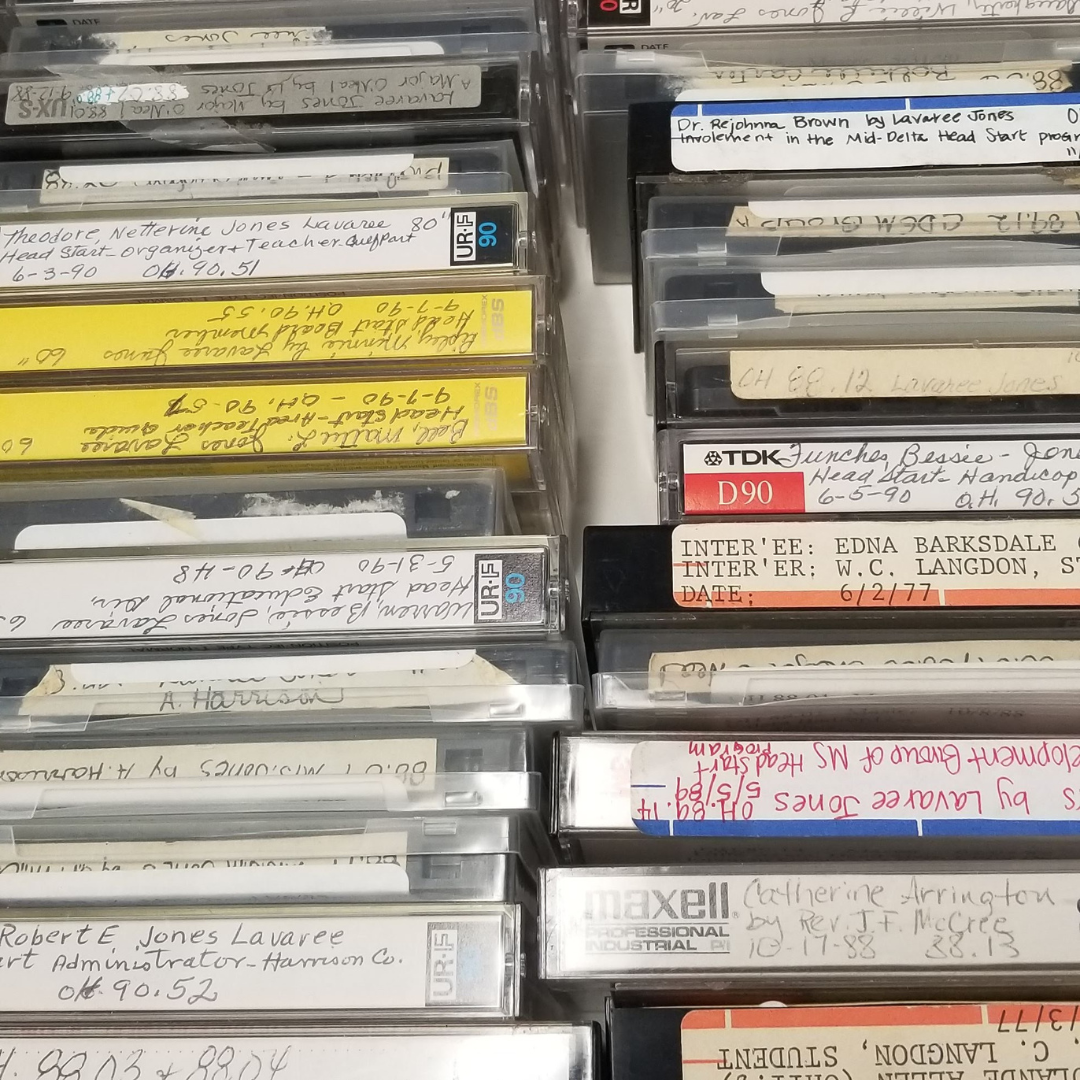
Save the original recording alongside a written summary. Add timestamps for important passages so someone can return to the speaker’s words.
Do not leave the only copy on one device. The Library of Congress recommends multiple copies in separate locations and checking digital photographs at least annually for readability. Apply that same practical backup habit to the accompanying record and recording. (digitalpreservation.gov)
Share a permitted copy with another family member and explain where the object record can be found. Keep private locations and sensitive stories out of public versions.

7. Finish with a short capture checklist
Before calling the record complete, check:
- The object has a clear name and record ID.
- Photographs show the whole object and accessible identifying details.
- Each recollection names its source and interview date.
- Observations, documents and interpretations are distinguishable.
- Missing dates and unresolved disagreements remain visible.
- Recording and sharing permissions are documented.
- Filenames connect the record with its evidence.
- A separate backup exists and its files open.
- Someone else knows where to find the record.
Watch for three avoidable mistakes: supplying a date because a blank looks unfinished, replacing someone’s uncertain account with a confident summary, and storing photographs without the explanation that gives them meaning.
Your aim is not to make the object’s history sound more impressive. It is to leave a record another person can understand, question and continue.